
The primary goal of HappyFeet Movement Therapy is to assess your child’s movement patterns in a systematic way and to utilize a wide range of physiotherapeutic tools to help them reach their maximum potential.

ABOUT THE FOUNDER
The primary goal of HappyFeet Movement Therapy is to assess your child’s movement patterns in a systematic way and to utilize a wide range of physiotherapeutic tools to help them reach their maximum potential. We welcome patients from both Hungary and abroad.
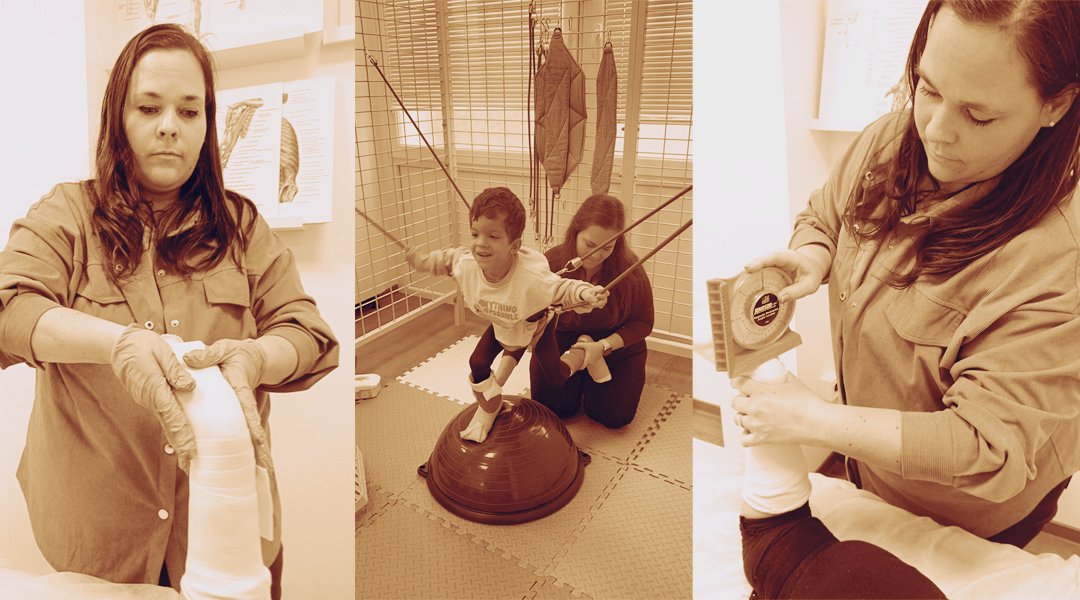
Our Main Therapeutic Methods: Dynamic Flex Cast, Movement Inhibition therapy, Neuro – connection therapy, Maitland Manual Therapy, CIMT Therapy (Constraint-Induced Movement Therapy), Universal Excercise Unit (Spider Cage Therapy), Various fascial release and deep muscle strengthening techniques (FDM, Movement Philosophy).
Services We Offer: Intensive therapy programs, Assessments and follow-up consultations, ,Online consultations, Dynamic Flex Cast packages, CIMT therapy programs.
Conditions we treat:
- Cerebral Palsy
- Cerebrovascular or ischemic events (stroke)
- Arteriovenous malformations
- Focal dystonia
- Spinocerebellar ataxia
- Spina bifida
- Traumatic nervous system injuries
- Idiopathic toe walking
- Clubfoot (Pes Equinovarus Congenitus)
- Metatarsus adductus
- Femoral anteversion
- Flat feet
- Hypertonic and hypotonic conditions
- Reduced range of motion
- Various orthopedic issues
- Developmental motor delays
- Reflex integration disorders
Dynamic Flex Cast
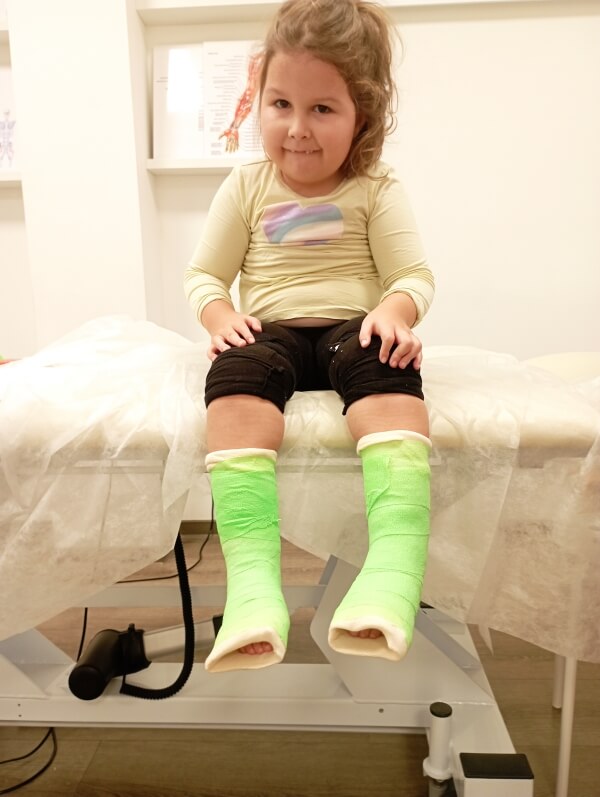
The Dynamic Flex Cast is a dynamic casting technique that provides an effective intervention for children with various functional impairments and limited mobility. This technique was developed by Maria Teresa Ferrer, based on the Ponseti method.
Movement Inhibition therapy
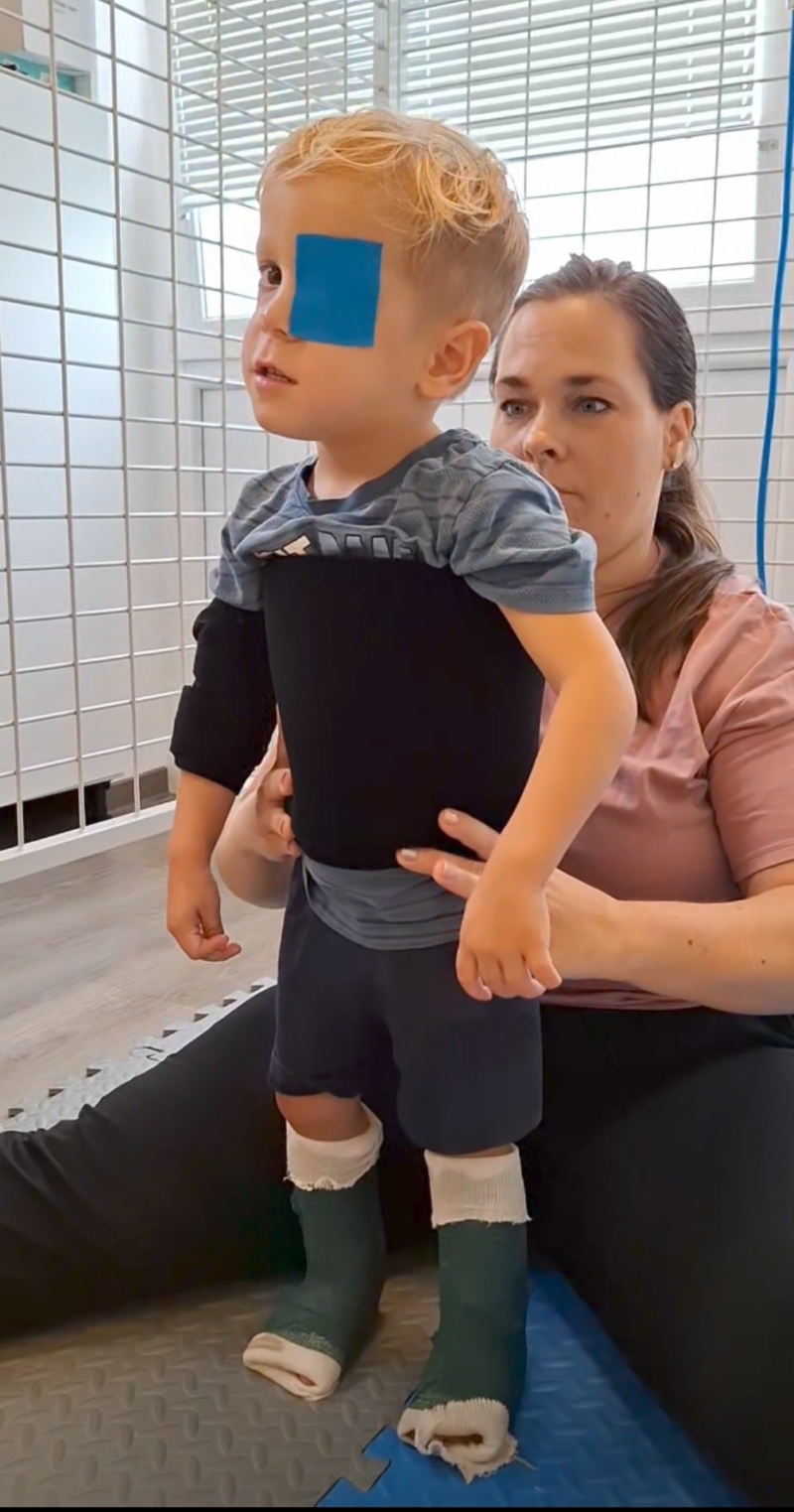
Movement Inhibition Therapy is a non-traditional treatment designed for patients whose involuntary movements limit their functional abilities. This method enhances movement awareness and promotes neuroplastic changes, leading to more efficient and safer movement patterns.
Neuro – connection therapy
Neuro-Connection Therapy is a technique designed to train the nervous system to respond to various stimuli, with the goal of establishing segmental control and functional mobility.
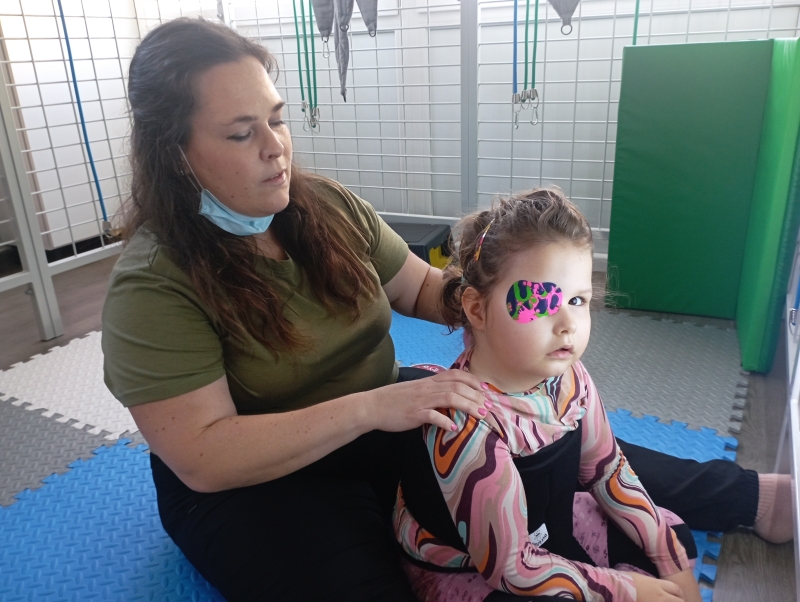
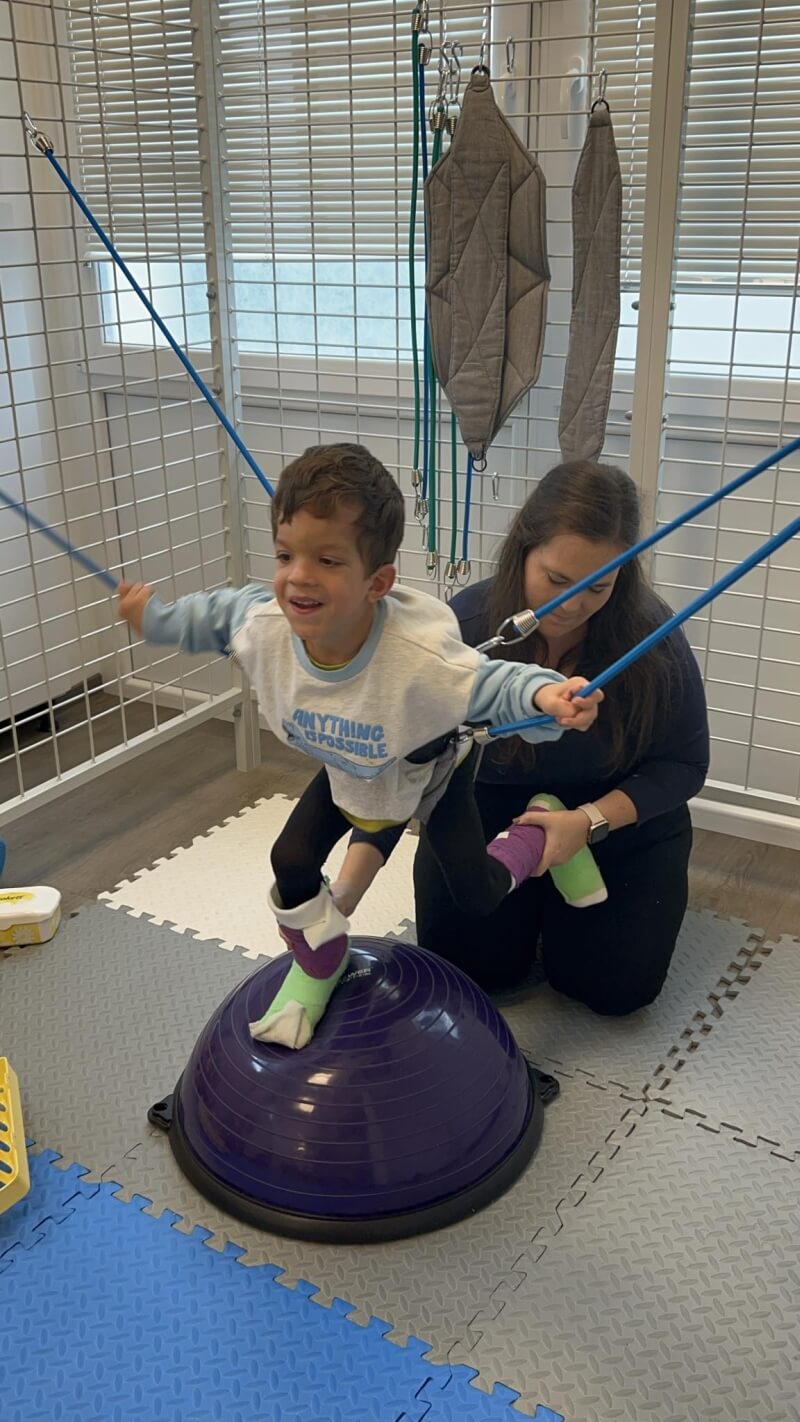
Universal Exercise Unit Therapy (Spider Cage Therapy)
The Universal Exercise Unit (Spider Cage) is an integral part of our intensive therapy programs. The suspension system (including elastic bands, ropes, and belts) is used for muscle strengthening and increasing range of motion while allowing dynamic movement in various postures. It enhances posture and movement patterns, supporting motor milestone achievement.
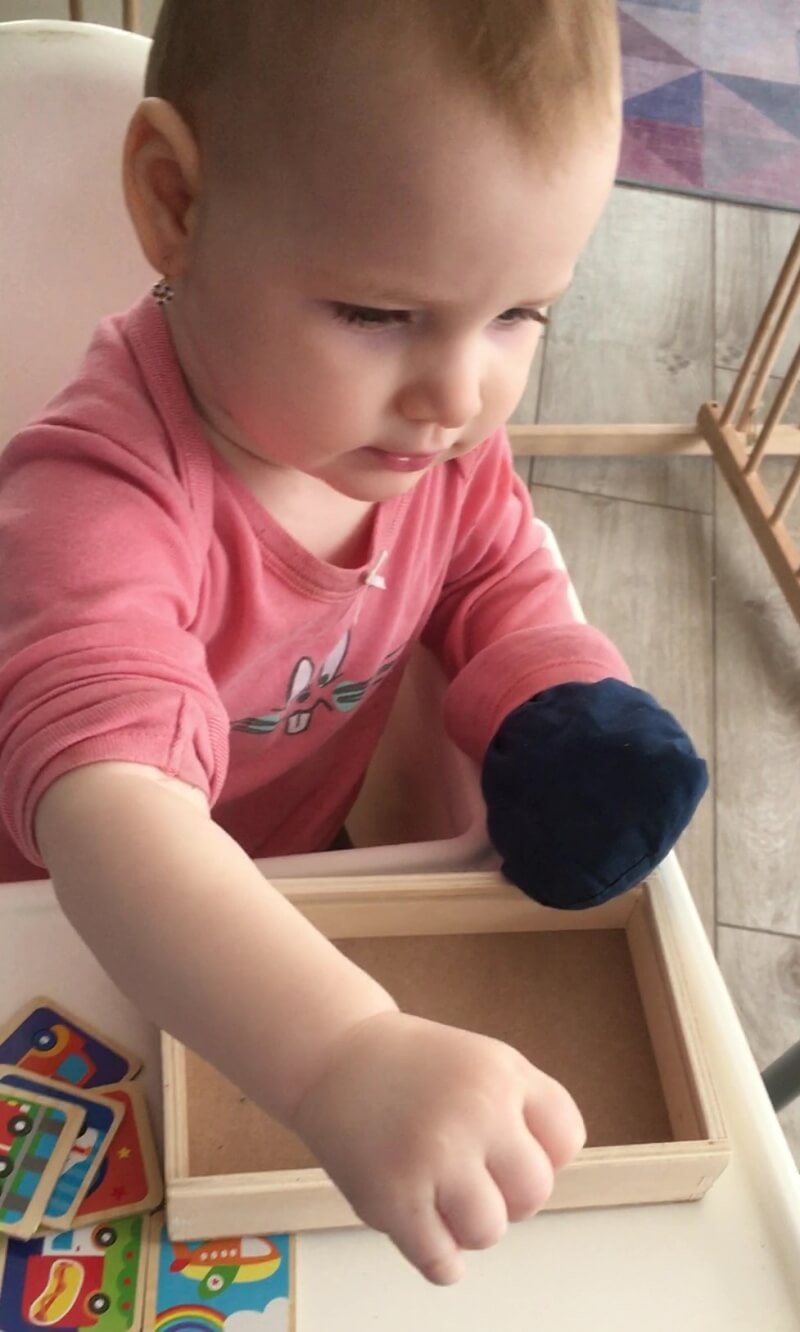
Constraint-Induced Movement Therapy (CIMT)
CIMT is primarily designed for children with hemiplegia, but it is also effective for brachial plexus injuries, spinal cord injuries, and hand injuries. Evidence-based studies confirm its effectiveness.
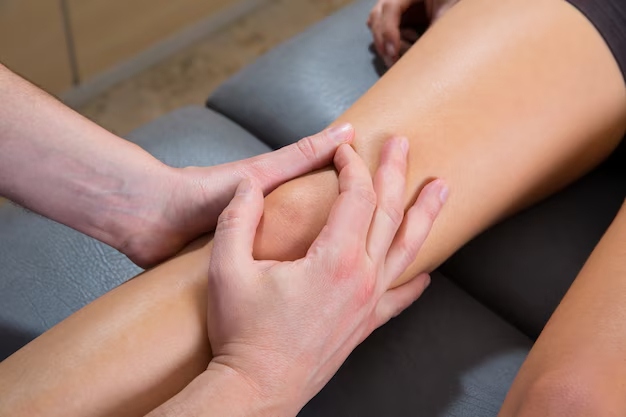
Maitland manuális therapy
The Maitland approach is a manual therapy technique that involves mobilization of the spine, peripheral joints, and soft tissues. It enables smoother movement through controlled passive and accessory mobilizations.

Taping Treatments
Kinesiology taping supports movement normalization, reduces tension and pain, and enhances joint stability.
NRX therapy
NRX® therapy is a hybrid between kinesiology taping and orthoses, combining their advantages while eliminating disadvantages.
Read more
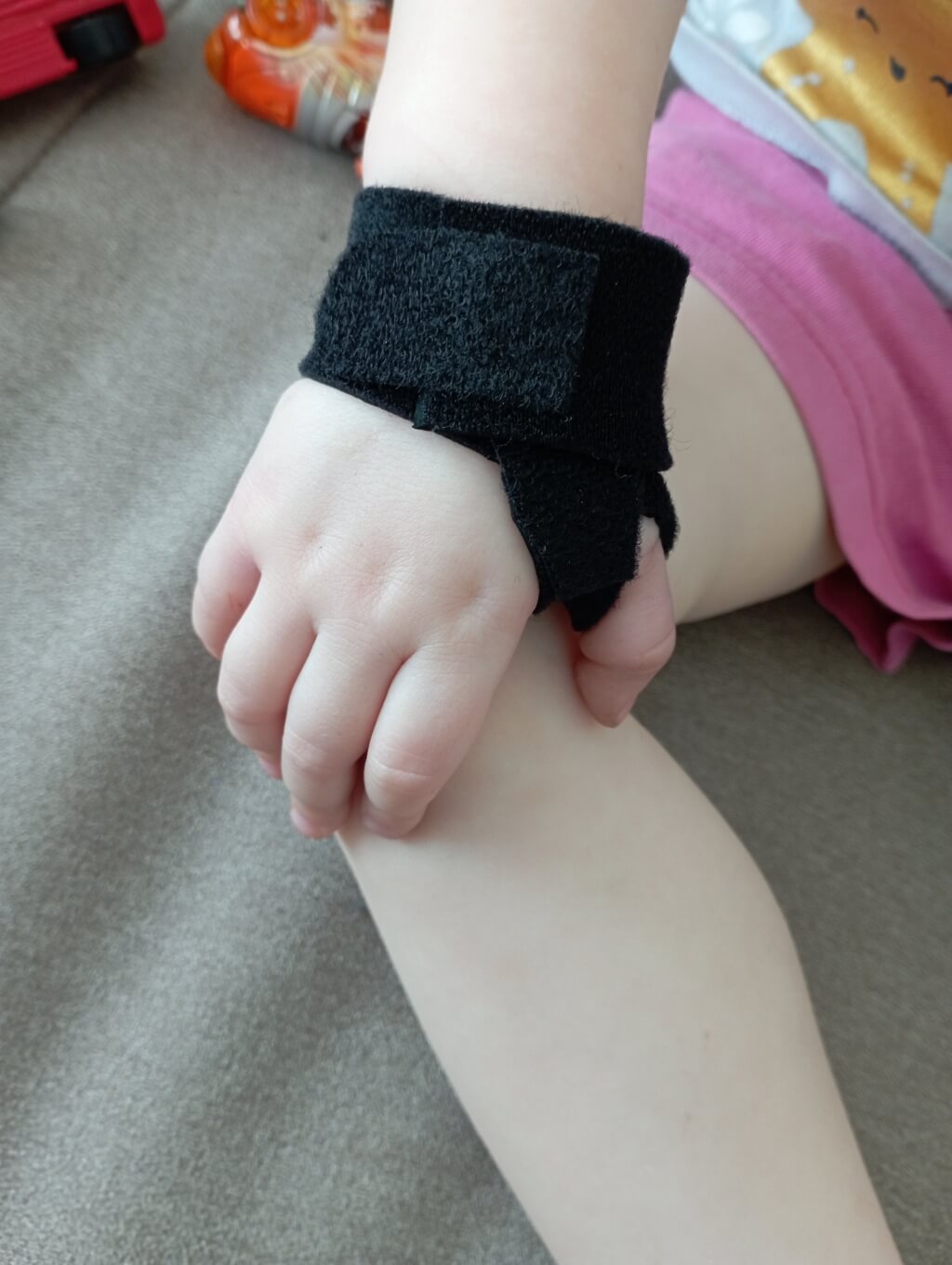
- Customizable, like kinesiology tape.
- More cost-effective for long-term wear (lasting for months).
- More stable and supportive than traditional taping, effectively correcting joint deformities.
FDM Therapy (Fascial Distortion Model)
FDM therapy is one of the most effective manual therapy techniques for treating muscle and joint-related pain.
Read more
- Developed by Dr. Stephen Typaldos, an American emergency physician.
- Uses body language and pain gestures to identify six types of fascial distortions.
- The therapist analyzes pain gestures (pointing, sweeping motions, grasping joints) to determine the appropriate treatment method.